








August is finally here! As we continue through the summer heat, August’s astronomy events are sure to be just as exciting as usual. From two separate eclipses to the best meteor shower of the year, here are some of August’s most anticipated astronomical phenomena.
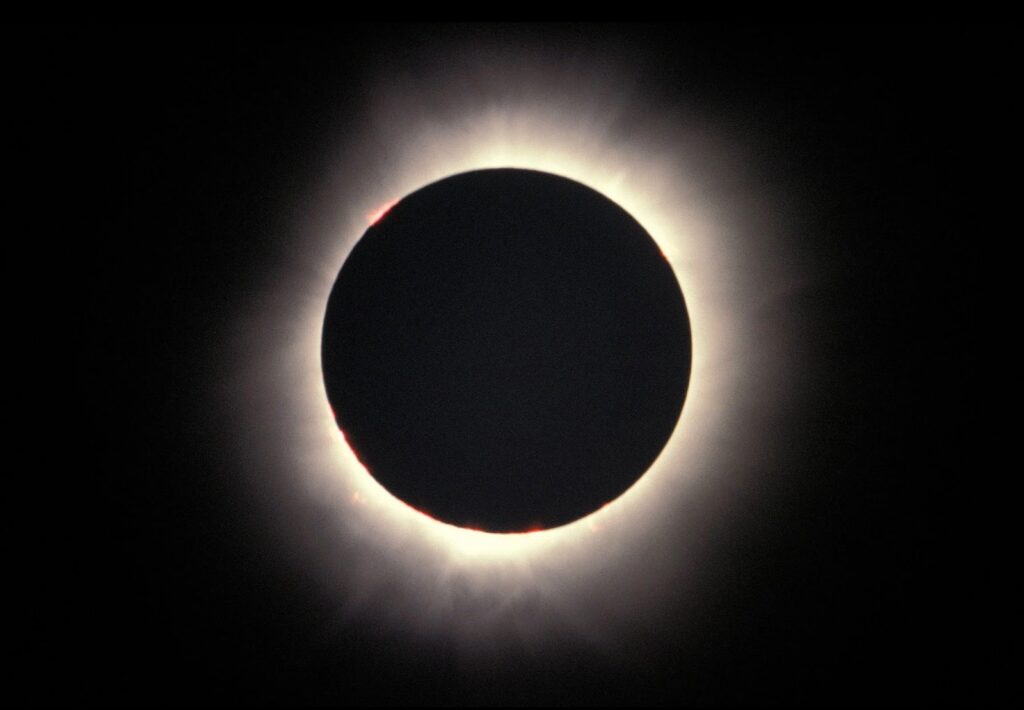
On August 12, the first eclipse of the month will take place. Total solar eclipses occur when the Moon passes between the Earth and the Sun, fully covering the face of the Sun. During the eclipse’s maximum point of coverage, or “totality,” the Sun will be fully obscured by the Moon’s shadow. The period of totality can last for up to seven minutes, with nearby temperatures often dropping about five degrees Celsius during that time. The “totality” of this eclipse will be observed from Greenland, Iceland, Spain, northern regions of Russia, and across the Atlantic Ocean; while a partial version of the eclipse can be seen from various other regions including Europe, Canada, parts of the northern United States, and some of northwestern Africa. Overall, about one billion individuals will get the chance to view this eclipse in some capacity. Typically, a total solar eclipse will occur somewhere on Earth every sixteen months, but there has been a surprising wait since the last, which was experienced across North America on April 8, 2024. For many of the countries falling under the path of totality, however, that wait has felt much longer— this will be the first total solar eclipse for mainland Europe since 1999, while the capital of Iceland had their most recent in June 1433.
August’s monthly meteor shower is the Perseids shower, which has an active period spanning from July 14 to September 1. This year, its peak will fall on August 12, with a rate that might reach anywhere between 50 and 100 visible meteors each hour. However, with a non-peak hourly rate of 25 meteors, the Perseids are a consistently plentiful shower, and are often considered the best of the year. Comet Swift-Tuttle, the comet responsible for forming the debris that makes up the Perseids shower, is the largest known object to have ever repeatedly approached Earth. With a nucleus over 25 kilometres in diameter, Comet Swift-Tuttle is twice the size of the asteroid theorized to have collided with the planet’s surface and wiped out the dinosaurs 66 million years ago. Perseid meteors enter Earth’s atmosphere at about 60 kilometres per second and are known for their fireball qualities; exploding in colour and leaving behind glowing remnants that stay visible for longer than typical meteor streaks. This year, the Perseids shower may be even more special than usual due to its alignment with August’s solar eclipse. With both of them sharing a peak date of August 12, it could be possible for a lucky observer to spot a Perseid meteor streaking across the sky during the complete darkness of the totality— but, for those less lucky, these meteors tend to be most easily seen in the pre-dawn hours!
The full moon of August, commonly referred to as the Sturgeon Moon, will reach its peak illumination on August 28. Named for the giant lake sturgeon that become more plentiful in the late summer months, the name of the Sturgeon Moon also sometimes rotates between the Flying Up Moon, the Harvest Moon, and the Mountain Shadows Moon.
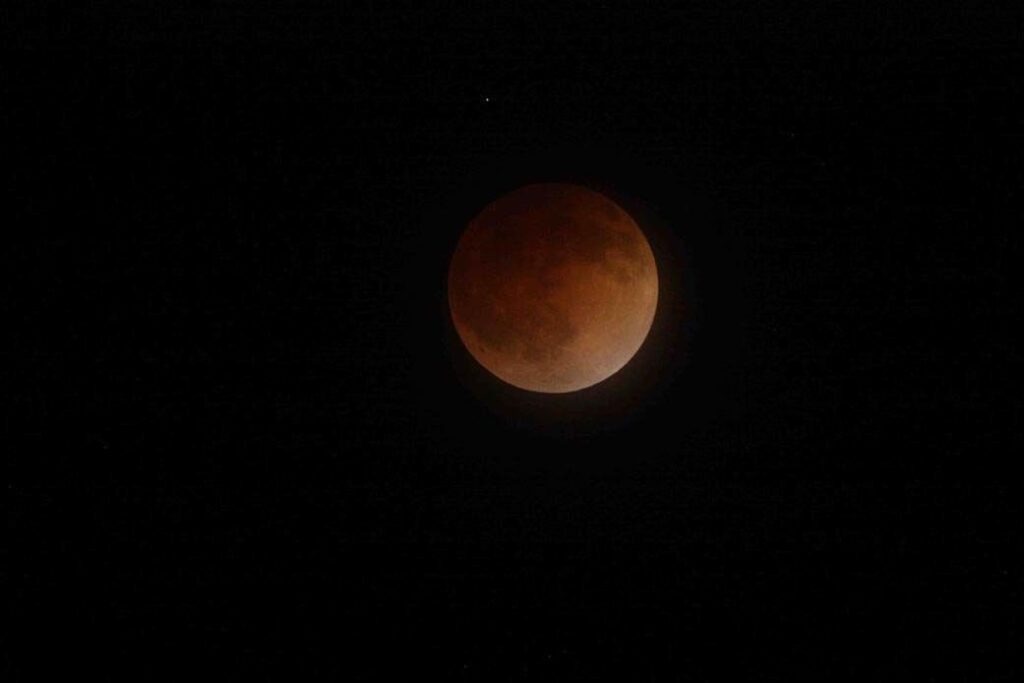
To close out the month, the second eclipse of the month will fall on August 28. Lunar eclipses take place during full moons when the Earth moves between the Sun and the Moon and casts its shadow over the lunar surface, creating a reddish “blood moon” effect at maximum coverage. Though this will only be a partial lunar eclipse, 96.2% of the Moon will be obscured at one point, making it “the best lunar eclipse anywhere on Earth until New Year’s Eve 2028” nonetheless. That peak moment will occur at 12:12 AM (Eastern Time), with the best visibility landing over North and South America.
As usual, all of these events are guaranteed to provide lovers of the night sky with opportunities to observe the magic of astronomy firsthand. Whether you choose to view the first total solar eclipse since 2024 or would rather try your luck at viewing one of the many Perseid meteors, August will certainly have something for everyone. Good luck, and happy observing!
Thank you for sharing the joy of outer space with readers for over 3 years!
Best of luck as you pursue Planetary Science studies at the University of Toronto.
I’ll miss your monthly updates here.