








As we begin to enter the autumn season, this month promises to bring astronomy lovers just as many exciting viewing and learning opportunities as usual. From an unusual supermoon to two separate meteor showers, here are some of October’s most anticipated astronomical phenomena.
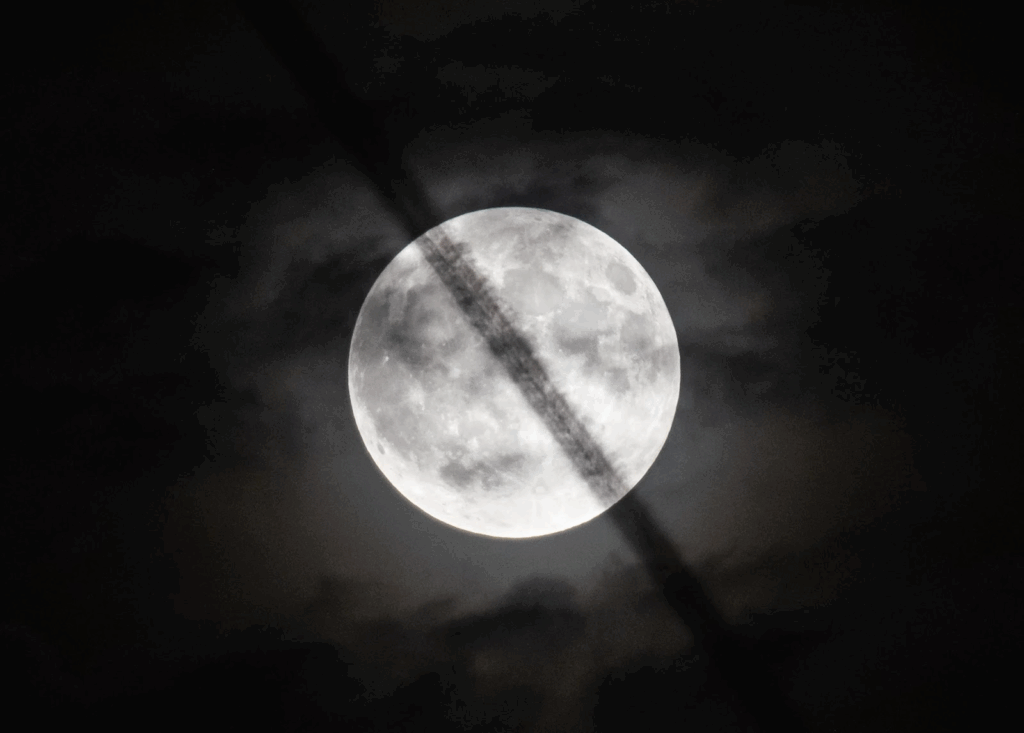
The full moon of October, or the Harvest Moon, will reach its maximum illumination at 11:48 PM (Eastern Time) on the evening of October 6. This is notably the closest full moon to the autumnal equinox (which landed on September 22 this year), and is known for rising at the same time for multiple nights in a row, providing extended amounts of evening illumination. It has been said that, in the past, this extra light in the October nights helped farmers to finish their harvests before freezing temperatures began, giving this moon its nickname of “Harvest Moon.” This Harvest Moon will also be the first of 2025’s three supermoons. This means that the moon is at its perigee (or closest point in its orbit around Earth), making it the largest and brightest of the year.
The first meteor shower of the month, or the Draconids shower, will reach its peak over the evening of October 8. The Draconids— which are sometimes also referred to as the Giacobinids— have a narrower duration compared to other annual meteor showers, and will only be visible between October 6 and October 10. Though this has been one of the least exciting showers in recent history (with an average rate of fewer than 10 meteors an hour), the Draconids have been known to provide spectacular shows, leading it to be nicknamed the “all-or-nothing shower.” In the past, this variable shower has experienced sudden outbursts that can cause thousands of meteors to be visible every hour. These “storms” have been noted to occur in 1933, 1946, 2012, and – fortunately for any hopeful observers – possibly again in 2025. Though this year’s outburst will almost certainly not reach the thousands of meteors that have been seen in previous years, the peak date of October 8 could show off anywhere between 50 and 400 Draconids meteors an hour, which would make it much more plentiful than any of the year’s other annual showers thus far (though the light of the Harvest Moon could interfere with spotting them). The Draconids are best seen in the hours after sunset instead of in the early morning, and as usual, no special equipment is needed to view the shower. Happy observing!
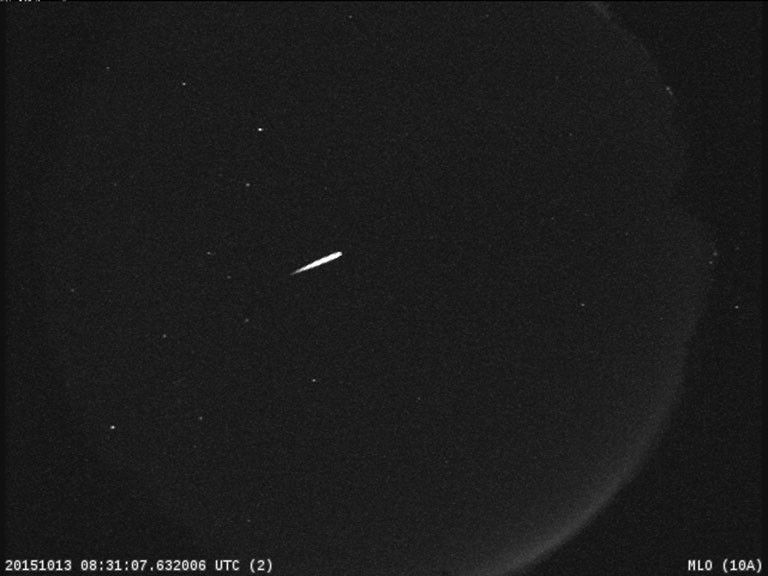
The second, and generally more active, meteor shower of the month– the Orionids– will peak on the mornings of October 21 and October 22. The light of the recent full moon is not expected to obstruct this shower, meaning that hopeful observers should have practically perfect viewing conditions to spot close to 20 meteors each hour. The Orionids shower is one of two showers to be formed out of debris from Comet Halley (the other being May’s Eta Aquarids shower), which is known as the most famous comet in history. It was first noted to be a revisiting object in 1705, and was last spotted in our inner Solar System back in 1986. Comet Halley has an orbital period of 76 years, and is predicted to enter our sight once again in 2061. The Orionids shower is best viewed in a dark location between the hours of midnight and dawn.
Overall, this month will certainly contain a variety of exciting astronomical events. Whether you choose to make an attempt at viewing the unpredictable Draconids shower (and its possible meteor outburst) or would rather photograph the big, bright Harvest Moon, October is sure to contain plenty of astronomy observation opportunities for everyone.