








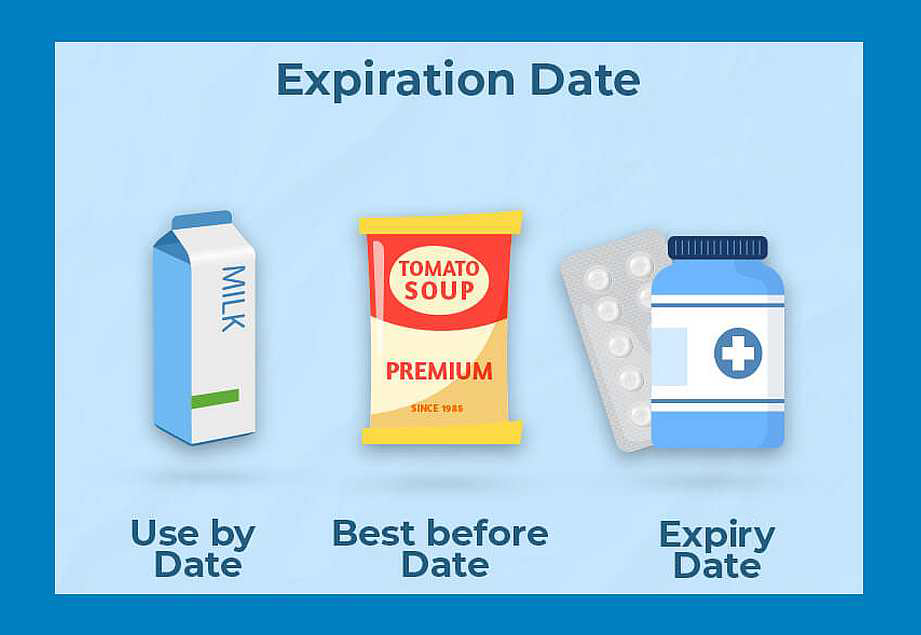
Date labels are important to understand for a multitude of reasons. They help you make an informed decision on what you buy and eat, but you may also be following these labels too strictly. Understanding when to save your food even past what the date label says will help you save money on your grocery bill, and keep you from unnecessarily throwing out food.
Research conducted by Second Harvest, Canada’s largest food rescue organization shows that 23% of food waste is caused by date label misunderstandings.
Depending on the product, there are different kinds of date labels. The two most common ones are best before and expiration dates — but what’s the difference?
Understanding best before and expiration dates
Best before dates don’t tell you if the food is safe to eat or not, it tells you how long a properly stored unopened product will keep its taste, freshness and nutritional value.
So long as the product has been stored properly and has no signs of spoilage, The Canadian Food Inspection Agency says you can safely eat food past its best before date.
Expiration dates do however tell you when a food is no longer safe to eat. Expiration dates can be found only on five different food products: formulated liquid diets, meal replacements, pharmacist-sold diet supplements, instant formula and nutritional supplements. If it is past the expiration date on any of these foods, it should no longer be consumed.
Can I still eat that?
Steer clear if a package is bulging, torn, infested, water damaged, smells spoiled or contains mould or discoloration. While not always helping you determine if food has gone bad, your senses can help you detect signs of it not being safe to eat or not having been stored properly.
Ensure to store food properly to get the longest life span possible
Perishable items should be refrigerated below 4࿁C and frozen items bellow -18࿁C. The danger zone for food is between 4 and 60࿁C because germs grow at an accelerated rate between these temperatures. Refrain from keeping meat, poultry, fish, dairy or cooked leftovers at room temperature for more than two hours.
Visit the City’s food waste reduction page for more tips and advice on date labels and how to store your food correctly.