








We’ve made it to July! Through the continuing warmer nights, the astronomy events of this month promise to be just as exciting as usual. From the Buck Moon to the opportunity to spot two separate meteor showers, here are some of July’s most anticipated astronomical phenomena.
On July 6, the Earth will reach aphelion. “Aphelion” occurs when our planet is at its farthest point in its orbit around the Sun, or a distance of about 152,087,775 kilometres. At its closest orbital point, or perihelion, this distance is closer to 147,099,894 kilometres— a difference of 5 million kilometres between both extreme points. Though neither aphelion nor perihelion distances have any direct impact on the seasons, perihelion always occurs about two weeks after the winter solstice, while aphelion always occurs about two weeks after the summer solstice. This might be a relationship opposite to what some might expect, with summer in the Northern Hemisphere taking place when the planet is at its farthest from the Sun, not at its closest. This year, the summer solstice fell on June 21, with the aphelion date falling fifteen days later. The word itself comes from Greek origins, with “apo” translating to “away from” and “Helios” translating to Sun, making the direct translation close to “away from the Sun.”
You’ll be able to spot the full moon of the month on July 29. This moon, commonly referred to as the Buck Moon, will reach its peak illumination at 10:35 AM (Eastern Time), and is named after the male deer (or bucks) that begin to grow their antlers around this time of the year. This moon is also sometimes called the Thunder Moon (named for the typical summer thunderstorms), the Salmon Moon, or the Raspberry Moon.
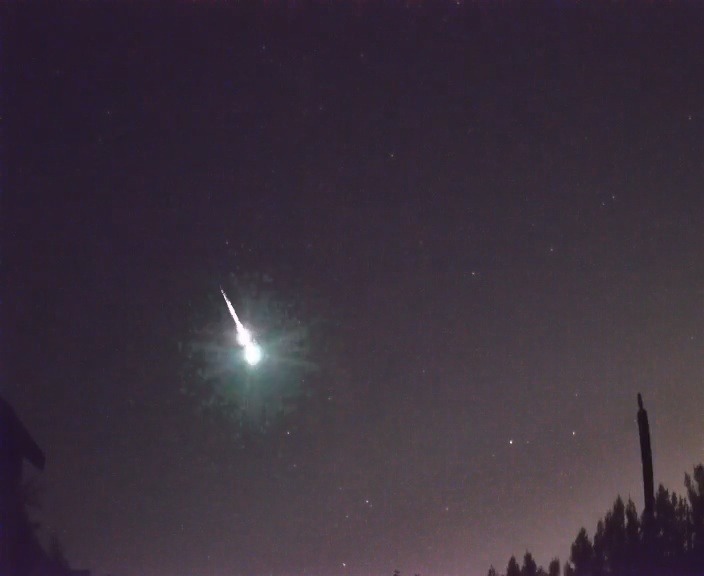
Unlike most months, July will provide the opportunity to spot multiple annual showers at one time. The first of the showers— the Southern Delta Aquariids shower— is typically active between July 18 and August 21, with a predicted peak of July 30. However, while the peak of many other annual showers comes with major changes in the shower’s hourly rate, the Southern Delta Aquariids tend to be more slow and steady and have a relatively unnoticeable peak. Their rate can reach up to 20 meteors each hour under ideal conditions, and the meteors are usually most visible from the Southern Hemisphere. The second shower of July is the Alpha Capricornids shower, which can be seen between July 7 and August 15 and, compared to the Southern Delta Aquariids, has a similar peak of July 31. The Alpha Capricornids shower is known for being infrequent and slightly difficult to successfully observe, but comes with bright meteors and occasional fireballs. Its hourly rate is currently low (between 2 and 9 meteors per hour), but when the shower’s dust cloud fully moves into Earth’s course sometime between 2220 and 2420, the Alpha Capricornid shower is expected to become “stronger than any current annual shower.”
As usual, each of these events will be sure to provide astronomy enthusiasts with opportunities to observe the magic of the night sky firsthand. Whether you choose to do more research into the implications of Earth’s aphelion point or would rather try your luck at viewing an elusive Alpha Capricornid meteor, July will certainly have something for everyone. Good luck, and happy observing!