








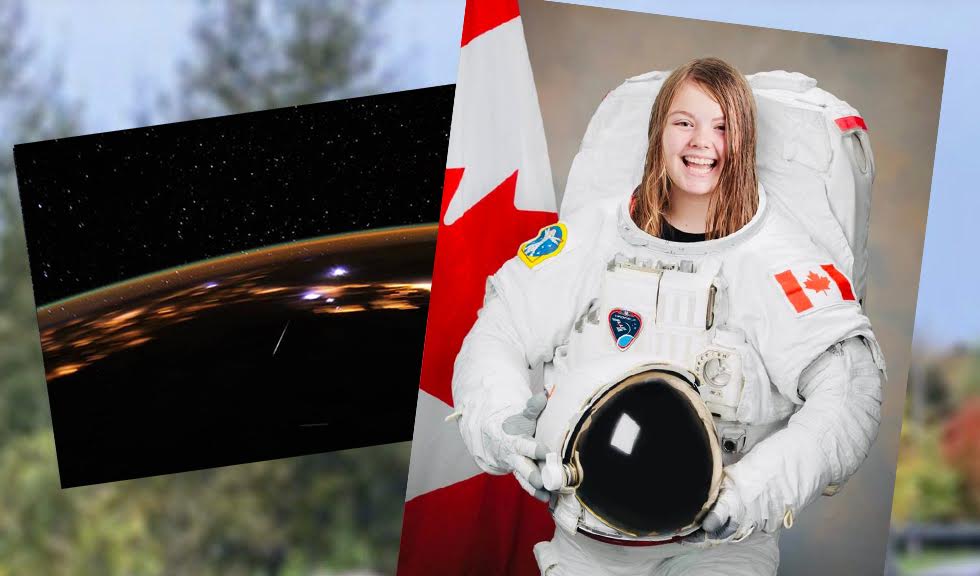
As the weather begins to cool down and snow prepares to fall, our night sky will only continue to provide us with unique meteor showers and other exciting nighttime experiences. From a meteor shower that once provided one of the most famous hourly rates in history to the full moon of November, here are some of November’s most anticipated astronomical phenomena and launches.
The Northern stream of the Taurids meteor shower is typically active between September 23 and December 8, with an expected peak on November 13 at 8:47 PM (Eastern Time), while the Southern Taurids will be active between October 13 and December 2 and will most likely produce the most meteors closest to November 6 at 8:21 PM (Eastern Time). These shower streams are much slower and longer-lasting than the other showers that we have experienced this year, with many meteors being extremely dispersed and infrequent. Even on peak nights, the average rate of either stream of the Taurids meteor shower is only five meteors per hour.

The Leonids meteor shower, which is active from November 3 through December 2, is expected to peak between the night of November 17 and close to dawn on November 18. As the moon will be in its first quarter at this time, there will be no moonlit interference during this shower. Though the Leonids are only expected to produce an hourly rate between ten and fifteen meteors per hour this year, this meteor shower once produced one of the most famous meteor storms in history in 1966, where thousands of Leonids were visible each minute over a fifteen-minute period of time. Meteor storms, unlike the much more common meteor showers, produce at least one thousand meteors every hour, and Leonid meteor storms typically occur every thirty-three years (though none have matched the intensity of the 1966 storm to date).

The November full moon, also known as the Beaver Moon, will reach peak illumination at 4:16 AM (Eastern Time) on November 27, though the best viewing opportunity will be shortly after sunset on November 26. Named for the time of year when beavers finish storing up enough food to make it through the colder months in their winter dams, this moon has also been called the Whitefish Moon, the Deer Rutting Moon, the Digging Moon, the Frost Moon, and the Freezing Moon.
Though the inevitable cold season is almost upon us, these astronomical events and meteor showers will give us all a chance to get outside and experience the joy of astronomy firsthand. Even though the Leonids meteor shower may not provide the same wonder that made history that it did decades ago, it will still be a fantastic chance to observe a few stray meteors with little to no moonlight interference.
This is our favourite regular column! Thanks so much Lucy 🙂
Ours as well! We are so happy that Lucy chose SC in which to share her monthly astronomy knowledge.