






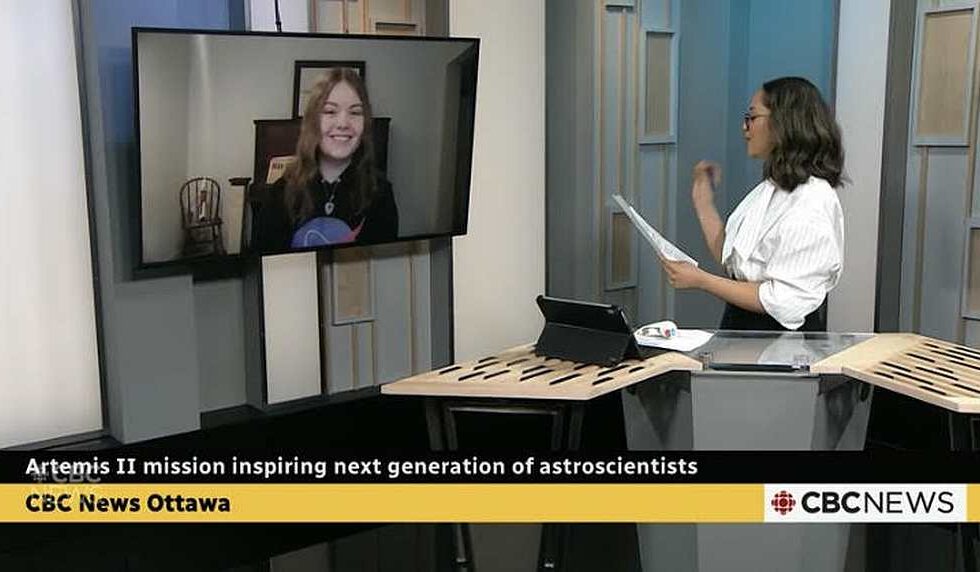
(On April 13, 2026, Lucy Hambly of Stittsville appeared on the CBC Ottawa News to share her views and aspirations with Rachelle Elsiufi on the recent Artemis II Mission. We also reached out to Lucy and you can read her responses below. Photo: CBC Ottawa News)
As all eyes were watching the Artemis II Mission, Lucy Hambly was focused on the historic nature of the first crewed lunar mission since 1972. Lucy has been contributing monthly astronomy articles that are articulate and contain astronomical events and findings that many in our community and afar enjoy reading. So insightful is Lucy, that CBC News Ottawa has noticed and on April 13, 2026 she returned for a third interview – this time to share her views and aspirations on the Artemis II Mission – you can watch Lucy’s interview at this link.
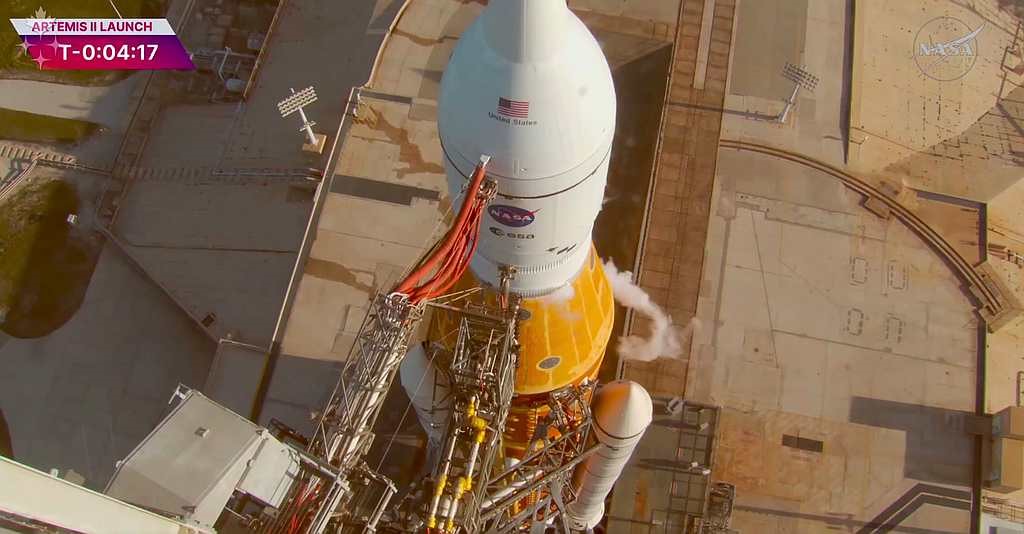
Earlier this week, we reached out to Lucy to gain her insights on the Artemis II Mission to share with our readers. We asked about mission priorities, the future of space exploration, Canadian Astronaut Jeremy Hansen’s participation, and what may have excited her the most about the mission.
Below are the questions we posed and Lucy’s articulate responses:
1. What do you believe is the significance of the Artemis II mission in the context of space exploration?
I believe that the Artemis II mission, and the Artemis program as a whole, will be very significant in the course of future space exploration. Completing a mission on the same scale as the Apollo program in a time when social media is able to push out the content so much more will surely lead to increased involvement, and from now on, all future missions aiming to take humans deeper into space will have stemmed from Artemis (and, even more likely, the actions of the Artemis II crew in particular). Artemis II has been referred to as one of many “stepping stone” missions, which aim to eventually leave a permanent human outpost on the surface of the moon. Having this outpost as an option makes future, more ambitious missions much more viable, and acts as the main “impact” that I expect the Artemis missions to leave behind. I’m also sure that Artemis II specifically will be remembered for putting the first woman, person of colour, and Canadian into lunar orbit all at once, expanding the world of space travel for everyone!
2. Do you see increased student interest in studying STEM, given the excitement shown for the current and future Artemis missions?
I have definitely been seeing increased interest in STEM subjects since the start of the Artemis II mission, both online and in-person! I’ve noticed that a lot more of my friends have been asking me about it over the past few weeks, which is something I’ve never really experienced before when it comes to crewed missions to the International Space Station or similar spaceflight events. It has also been very exciting for me to see the number of people deciding to pursue space science as a path as an effect of this launch– I would say that, aside from simply inspiring individuals to become interested in the topic to begin with, I feel that the mission has also helped to prove that working in the field is actually an achievable goal. There have been and will continue to be so many people involved with each of the Artemis missions, in capacities anywhere from engineering to social media outreach, and NASA really drove that point home during the launch by continuously shouting out each person who made it happen. We’re still at the very beginning of the Artemis program, and I think that the air of excitement about the upcoming few years has led a lot of people to the realization that they want to get involved with it in a more tangible way!
3. What did you think when you first saw the dark side of the moon?
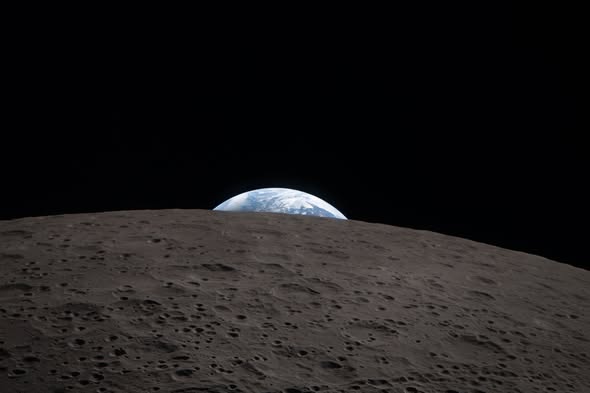
I was blown away after first seeing the images of the dark side of the moon. Some of my favourites have to be the ones with only small slivers of the Earth visible in the background, surrounded by black. When astronaut Christina Koch posted her photos, she captioned the post by referring to the moon as “the most ominous thing [she’d] ever loved,” which is a choice of words I’ve found myself coming back to since then. Though it might be almost too obvious to point out, those photos immediately made me think about the endless amounts of human experiences that have taken place on that same planet. While the empty space and unbelievable distance did make the view seem ominous, for me, being able to see our planet in the background felt very comforting. Even at over 400,000 kilometers from home, the Artemis astronauts were able to make visual contact with home in the same way that we were able to look up at the moon every night of their mission. I can’t wait to see more images from this viewpoint– and from the mission as a whole – as they slowly become unveiled over the next few weeks!
4. Do you think future long-duration space missions will face greater challenges?
I have a few different thoughts on this question. While physically landing on the moon would be a more difficult experience for any crew, I also think that the Artemis II efforts worked to help eliminate a lot of the more minor challenges that future crews could face. The four astronauts have said that they passed a lot of time on their mission thinking about the hypothetical Artemis III crew who will eventually be spending time in the same spacecraft, and mentioned that they tried to take as many notes as possible in order to make that future time as enjoyable as possible for them. Most of these notes were focused on small things that, while not drastically changing the complexity of the mission, could help the crew feel as comfortable as possible in Orion. Because of this, I think that, though increased risk and greater challenges will undoubtedly come with the territory for future long-duration spaceflight missions, each prior crew does everything they can to improve the quality of life for those that will one day follow them and make those challenges a little bit easier to face.
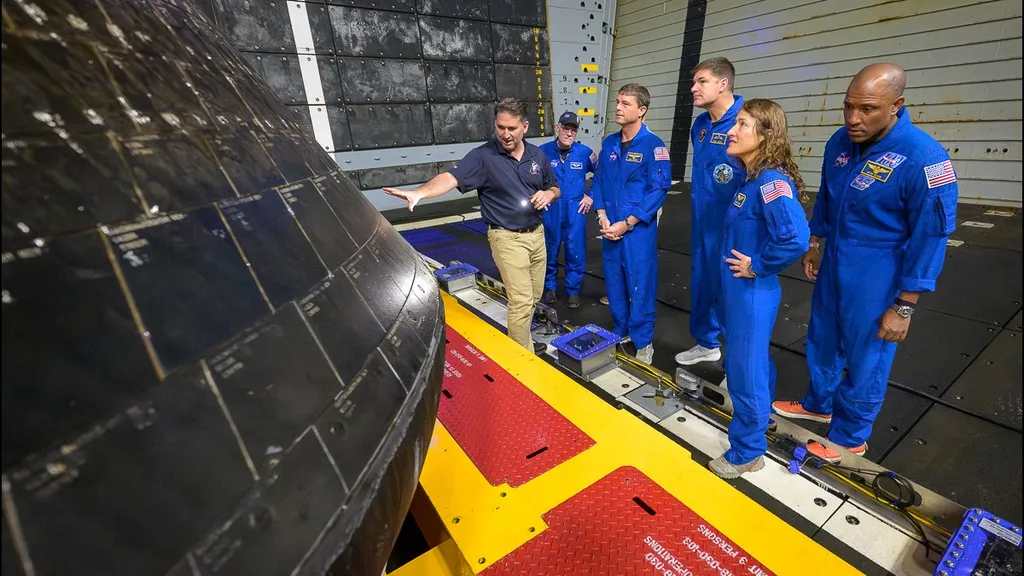
5. What part of the engineering behind the Orion module did you find most interesting?
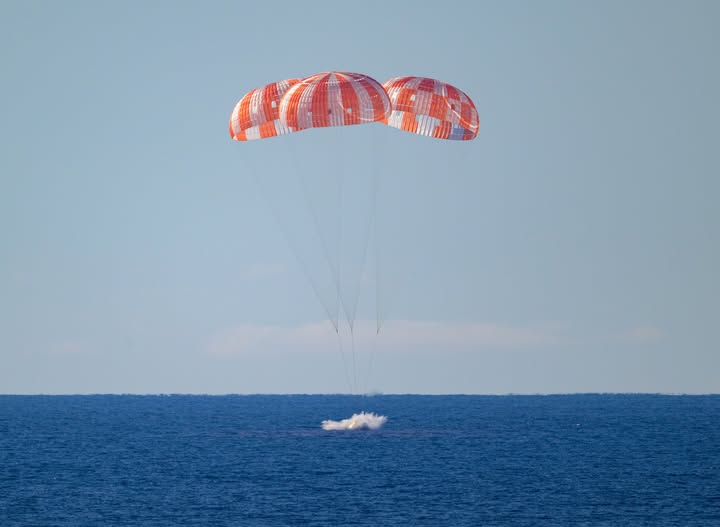
If I had to pick one favourite part of the engineering behind the Orion module, it would probably have to be the heat shield. When first reading about it, I was obviously fascinated by its ability to protect the crew members from the speeds and temperatures that it has to endure, but I was even more interested after hearing about how it reacted to re-entry on the Artemis I mission. After the first mission ended, the heat shield was recovered with unexpected signs of charring and missing pieces, leading some to become concerned about how it might hold up with a crew. Instead of redesigning the shield itself or using new materials, though, NASA was confident that the same heat shield model would be enough for the next mission if some small changes were made to the re-entry path itself. The Artemis II crew re-entered the atmosphere faster and at a steeper angle than the uncrewed Artemis I flight, which allowed them to spend less time in areas of maximum heat. This change was successful and the heat shield was able to protect the crew from temperatures of almost 3000 degrees Celsius; and I’m most fascinated by the fact that this huge change in effectiveness was able to happen without any real engineering differences being made!
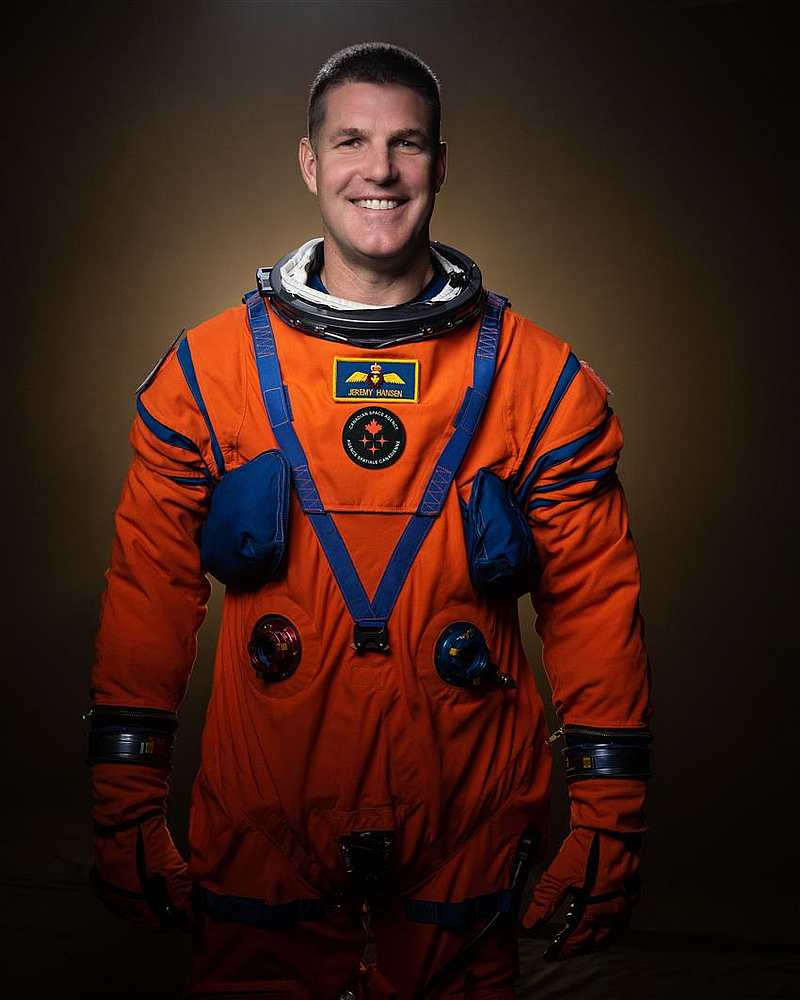
6. Why is having Canadian astronaut Jeremy Hansen on this specific mission such a milestone? As a Canadian, what did his participation mean to you?
Getting to see Canadian astronaut Jeremy Hansen participate in a mission like this certainly felt very special for the international space community as a whole, but it also feels quite special to me personally. There was definitely a time years ago, when I first became interested in this career pathway, where I constantly ran into the “roadblock” of not living in the United States. Since then, I’ve become a lot more familiar with the Canadian Space Agency and can recognize the equal amounts of excitement surrounding the work that they do; but getting to see a Canadian astronaut make up a quarter of the crew for a mission of this size still felt especially important. In my opinion, one of the biggest impacts that has come from his participation is the fact that the Canadian Space Agency has been and will continue to be an assumed participant in every Artemis conversation. So far, their reporters have been present at every post-return press conference, always asking questions that bring Canada’s involvement back into the forefront. It’s impossible to discuss the mission without noting the fingerprints that our country has left on it, and I’m looking forward to seeing the Artemis III and Artemis IV missions carried out in equal collaboration!
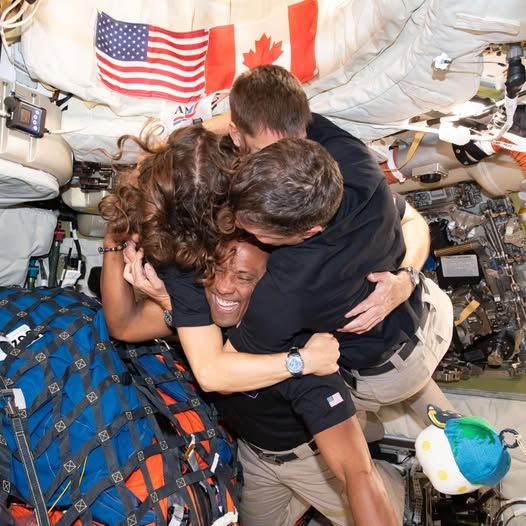
7. Overall, what excited you the most about this entire mission?
I would say that the most exciting part about this mission to me was everything about the crew themselves. Seeing constant content from them during the flyby and getting to watch almost every minute of the mission in real-time felt very refreshing – the overall theme of the mission was “For All Humanity,” and that feeling came across so clearly through everything we were shown! Their genuine friendship made the mission so much more enjoyable to watch, especially, I would guess, for those who are only now being introduced to crewed missions and have never gotten to experience that “fun” side of human spaceflight before instead of purely the scientific. I loved getting to watch the crew interact in the spacecraft and got used to checking up on their daily wake-up songs, and since they’ve come back, I’ve also had a lot of fun hearing their personal accounts in interviews and press conferences. Though I was already a fan beforehand, I’ve become very inspired by Christina Koch in particular over the course of this mission as well. All of her speeches and image captions have been phrased so eloquently, and I believe that choosing a crew who are able to describe their tasks as well as they are able to carry them out is half the importance, making her the perfect choice for a mission of this scale. As a young woman hoping to follow a similar “trajectory,” I feel very lucky to be starting my post-secondary education at a time when she has allowed my future goals to feel more attainable than ever!
We are pleased to share that this fall Lucy will continue her academic journey at the University of Toronto where she has been accepted to study Planetary Science.