








We’ve finally made it to the summer months! Throughout the upcoming warmer weather, June’s anticipated astronomy events are sure to be just as exciting as usual. From the micro-Strawberry Moon to the announcement of the brand new Artemis III crew, here are some of June’s most anticipated astronomical phenomena.
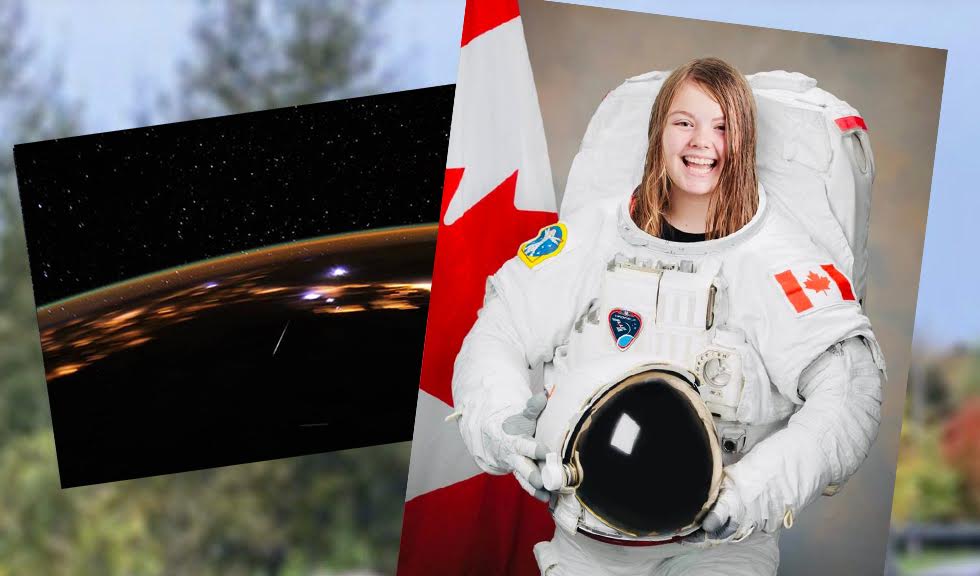
Following the huge public interest in the Artemis II lunar mission, NASA will be announcing the crew of the next Artemis mission on June 9. The announcement will take place at 11:00 AM (Eastern Time) and will be in the form of a livestream from Houston’s Johnson Space Center. The four-person crew, selected from NASA’s current pool of eligible Artemis astronauts and potential international partners, will launch to orbit in 2027 on a mission to test important docking procedures using lunar landers in order to further prepare for Artemis IV, which will be the first actual moon landing of the program.

This year, the June solstice will fall on June 21. This solstice represents the first day of astronomical summer in the Northern Hemisphere and the start of winter in the Winter Hemisphere, and is also the day of the year with the longest period of sunlight and shortest night. This is referred to as the beginning of “astronomical” summer specifically as meteorologists work with a separate calendar that splits the year up into three-month quarters, only considering the first day of each month. This is done to simplify the seasonal weather analysis process, and leads to the start of the “meteorological” summer landing on June 1. Though the solstice is generally celebrated throughout the day each year, the solstice itself is given an exact time that occurs simultaneously worldwide, which will be at 4:24 AM this year. The annual date of the solstice varies by a few days, with June 20 or June 22 solstices being possible, though the latter is far rarer and will not be seen again until 2203 (over 200 years since the previous, which fell in 1975). Across the world, the June solstice is celebrated in many different ways. The date is widely considered to be a cause for festivities, with large bonfires, feasts, picnics, and community gatherings actingas some of the most common observances.
Next, June’s monthly meteor shower will peak on June 27. This year, the June Boötid meteor shower is expected to be active between June 22 and July 2, with an average rate of 1 to 2 meteors per hour. As indicated by the unusually low hourly rate, the Boötid shower is considered one of the weaker showers of the year, though it has been known to surprise in the past. For example, in 1998, the Boötids produced a rate of 100 hours in a single hour, following their first intense burst in 1916. This has caused the Boötids to receive a Class III designation on the scale of the American Meteor Society. On this scale, a Class I shower is reliably strong throughout the same duration annually, while a Class II shower is a consistent but far more minor shower. The Boötids fall into the Class II category, representing variable showers that are difficult to track, meaning there is no way to know what might be seen from year to year. This means that, while there is a risk of observing the Boötids with no great luck, the shower always has the potential to produce a spectacular show.
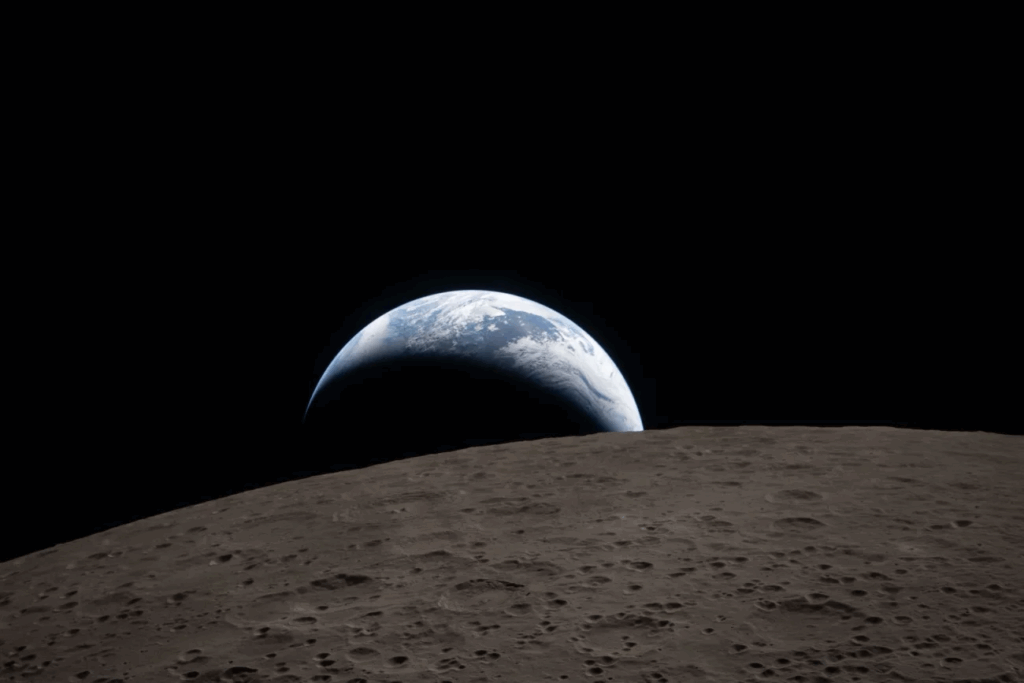
The full moon of the month, or June’s Strawberry Moon, will be seen on June 29. Also known as the Mead Moon, the Rose Moon, or the Hot Moon, June’s full moon will be similar to May’s second full moon in the fact that it is a “micromoon.” Since the moon will be near its “apogee,” or the farthest point in its orbit around the planet, at this point, the moon will appear to be smaller in the sky, making it the opposite of a supermoon. However, supermoons are typically far more noticeable with the naked eye compared to micromoons, which are usually only seen with the use of a telescope or other observing tools. The Strawberry Moon is named for the berries that ripen during the summer seasons, and will be visible at 7:56 PM this year.
As always, each of these events is guaranteed to provide astronomy enthusiasts with opportunities to observe the magic of the night sky firsthand. Whether you choose to take the risk of observing the unpredictable June Boötid meteor shower or would rather throw a party to recognize the first day of astronomical summer, the sixth month of 2026 will certainly have something for everyone. Good luck, and happy observing!
AS ALWAYS, INTERESTING AND INFORMATIVE! THANKS