








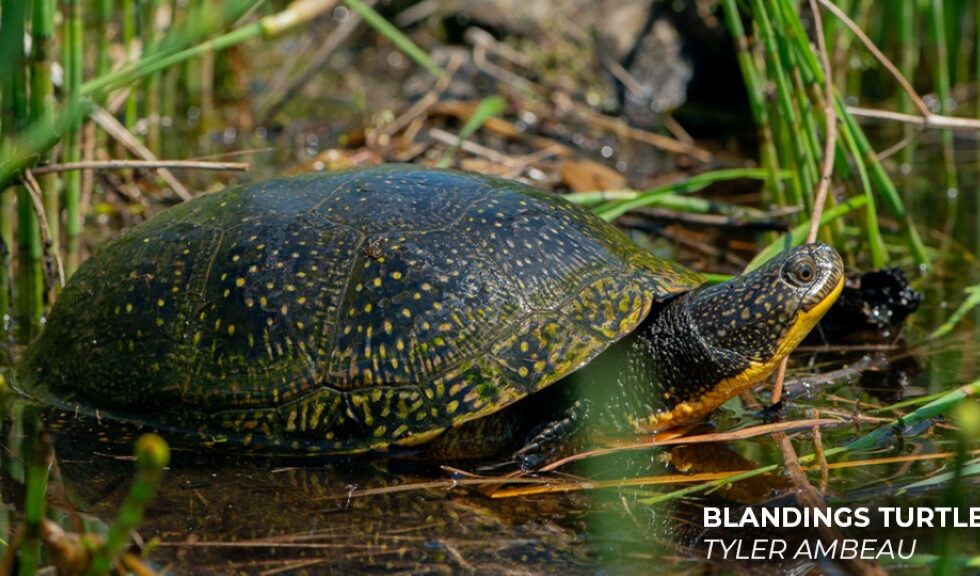
On World Biodiversity Day, May 22nd, Ontario Nature published a new report that demonstrates the critical role the Greenbelt plays as a safe haven for some of Ontario’s most vulnerable species, such as the Blanding’s Turtle in our area.
The report – Species at Risk in the Greenbelt: Successes, Challenges and Opportunities – shows that since 2004, the number of species at risk living in the Greenbelt has increased by 68%, rising from 72 to 121 species in 2025. The number of species at risk across Ontario rose from 180 in 2004 to 270 species in 2025, representing a 50% increase over two decades. That growth far outpaces provincial trends, confirming the Greenbelt’s critical importance for biodiversity in southern Ontario.
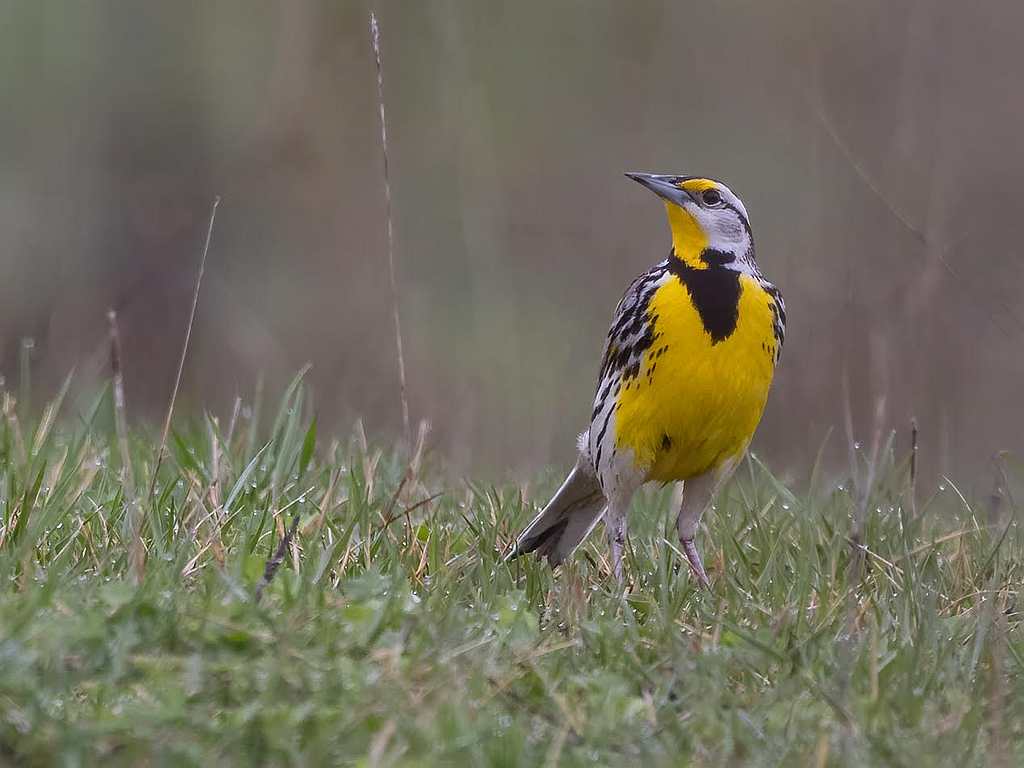
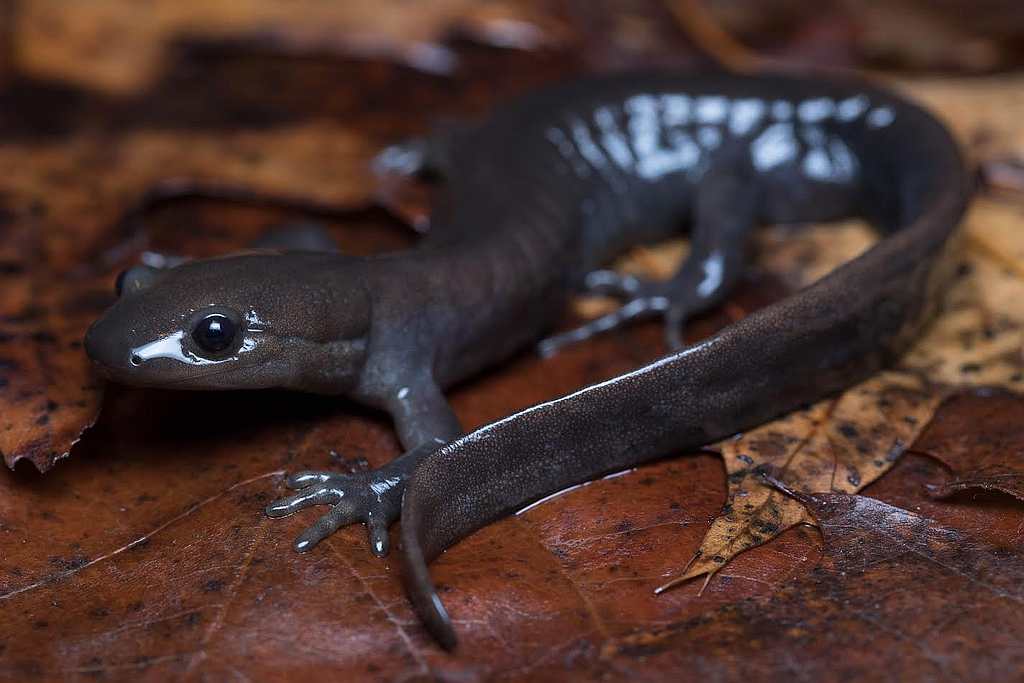
The 121 at-risk species that inhabit the Greenbelt represent 42% of the total species at risk in Ontario – including rare birds, reptiles, amphibians, mammals and plants. Some, like the hooded warbler, are showing signs of recovery thanks to protected habitats and coordinated conservation efforts. Others, like redside dace and Jefferson salamander, are struggling as habitat fragmentation and pollution harm breeding and feeding grounds. The habitats the Greenbelt provides for the hooded warbler, redside dace, Jefferson salamander and many other species not only sustain this diversity of life but play an essential role in human health by ensuring the flow of clean water, filtering the air and providing a natural buffer against flooding.
“The Greenbelt shows us what’s possible when nature is given space to breathe,” said Ontario Nature’s Acting Conservation Science and Stewardship Director, Jenna Quinn. “But we can’t expect it to do all the work on its own. Species at risk need action to ensure their recovery.”
According to Ontario Nature’s Conservation Policy and Campaigns Director, Tony Morris: “The Greenbelt isn’t just a buffer against urban sprawl, it’s a refuge for a diversity of life. Greenbelt forests, wetlands and rivers are vital strongholds for many species that have lost habitats elsewhere in southern Ontario.”
The Greenbelt is a cherished public policy that celebrated its 20th anniversary in 2025. On this World Biodiversity Day, we reflect on the importance of the variety of life on Earth and encourage actions to protect it. The Greenbelt’s role in protecting habitats and vulnerable species is more important than ever. Collectively, we must do everything we can to protect, strengthen and expand the Greenbelt to keep Ontario self-reliant, secure and ready to meet future challenges.
Ontario Nature protects wild species and wild spaces through conservation, education and public engagement. A charitable organization, Ontario Nature represents 9,500 members, 130,000 supporters and 150 member groups from across Ontario. You can follow Ontario Nature on Facebook, Twitter, Instagram, TikTok and Bluesky.